 Furniture
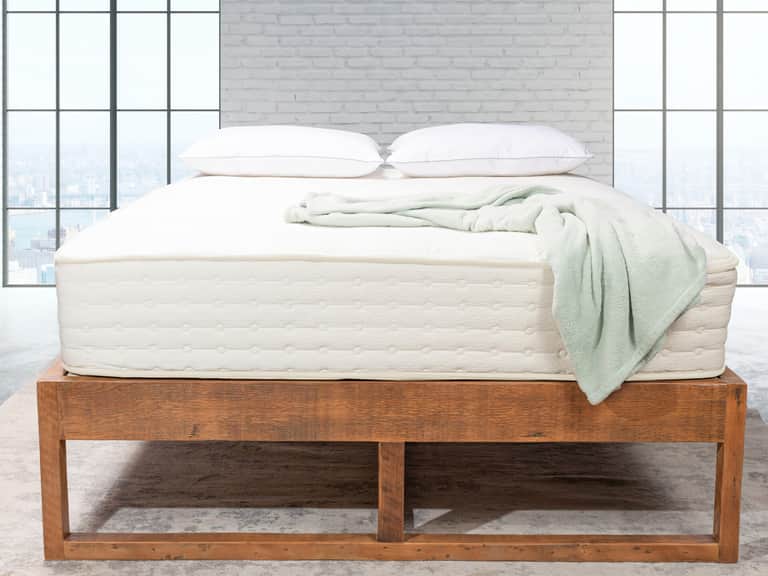
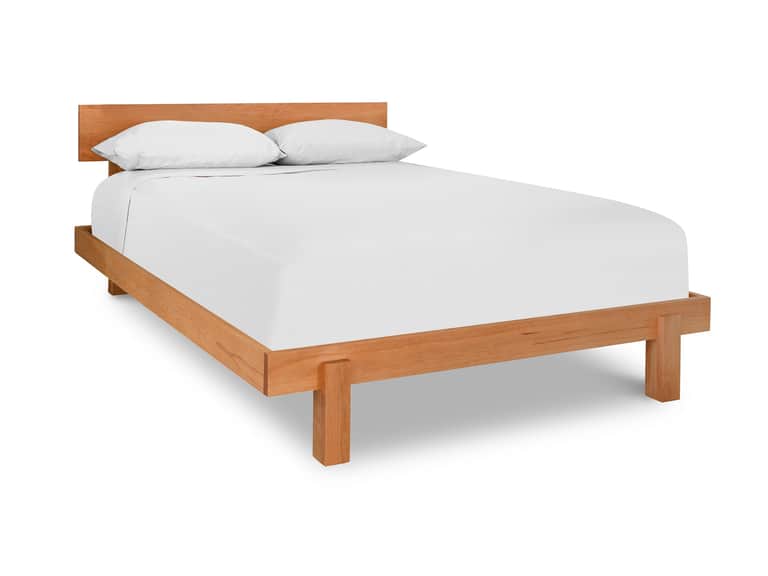
The Clean Bedroom Taconic Bed
Sleep cooler and longer-lasting with solid slats and great airflow. Handcrafted in the USA from reclaimed wood, it’s healthy, eco-friendly, and timelessly stylish in any room.
Furniture design spans comfort, function, and material choice, shaping how a bedroom feels daily. This category highlights structural beds and supportive foundations that influence sleep quality, aesthetics, and room layout. Understanding bed frames, headboard styles, and footboard variations helps identify pieces that balance durability with personal taste in a bedroom environment.
Key features to consider include materials, construction methods, and compatibility with mattress types. For example, solid wood frames offer longevity and a timeless look, while metal or upholstered options may provide lighter or more tactile finishes. Safe assembly, appropriate weight capacity, and easy maintenance are essential considerations for long-term usability.
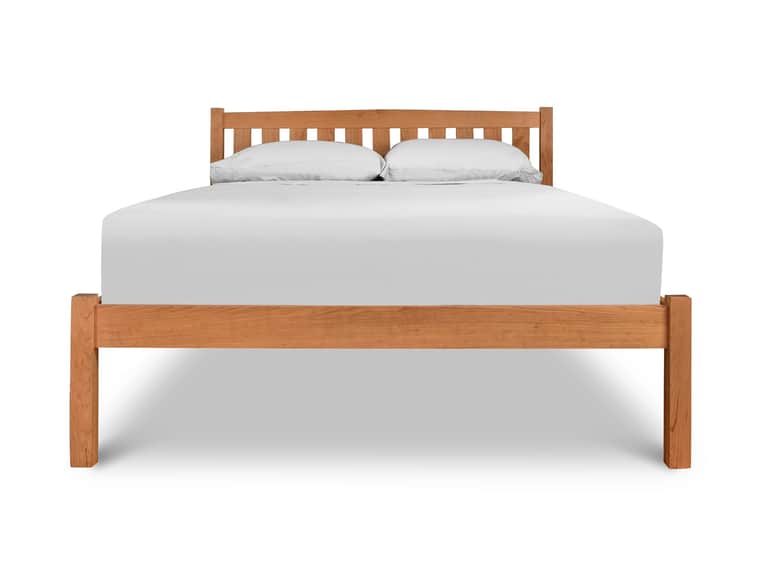
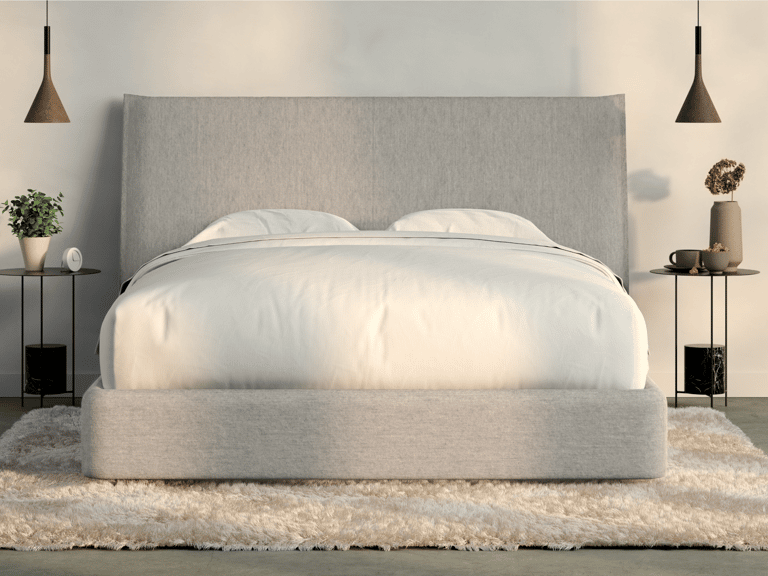
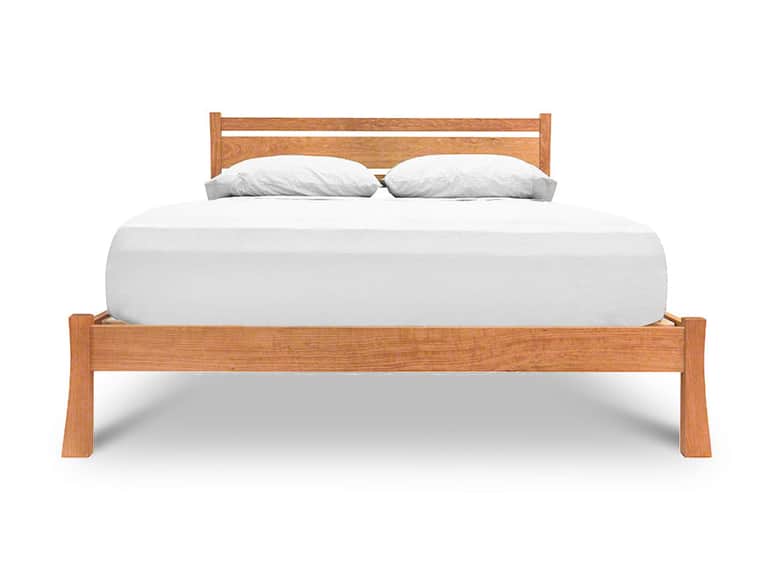
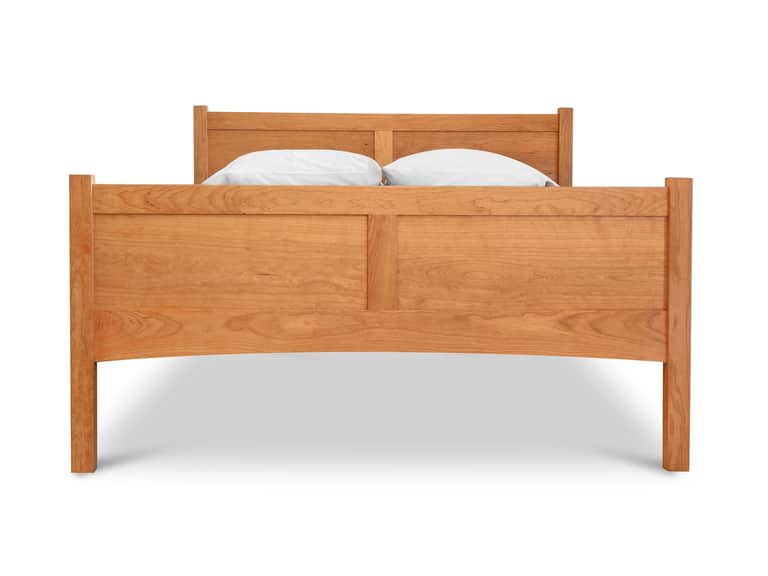
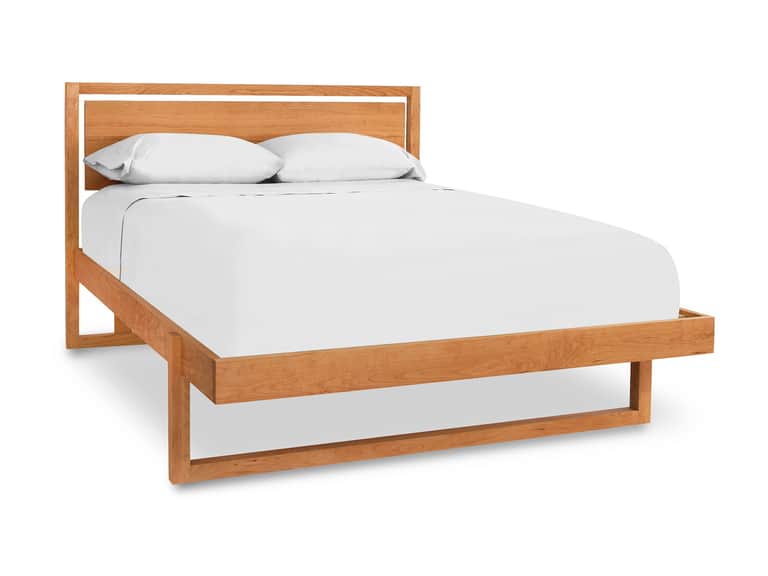
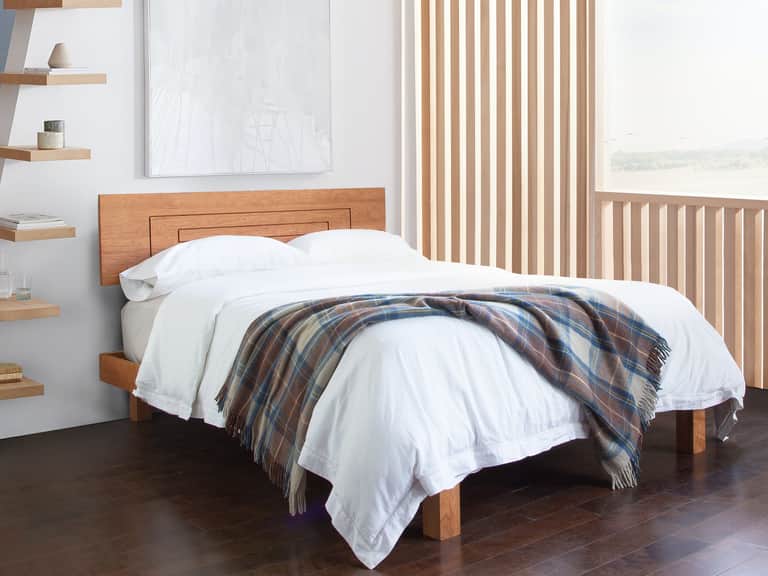
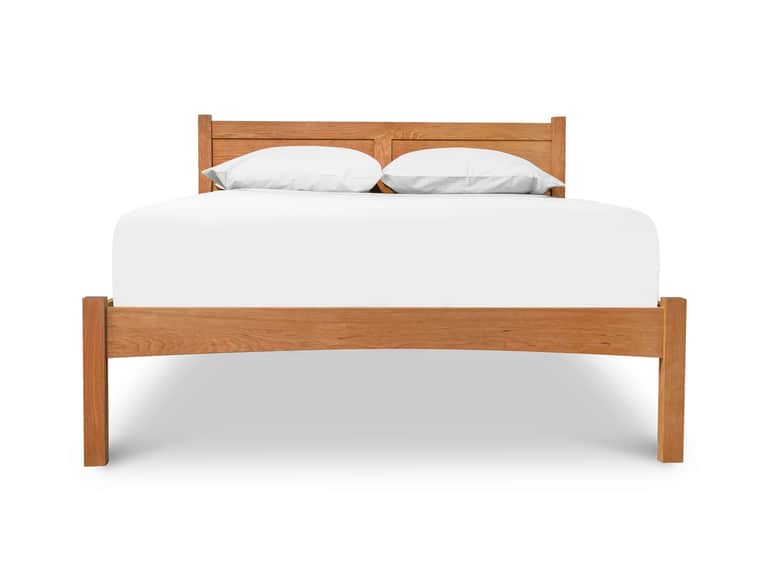
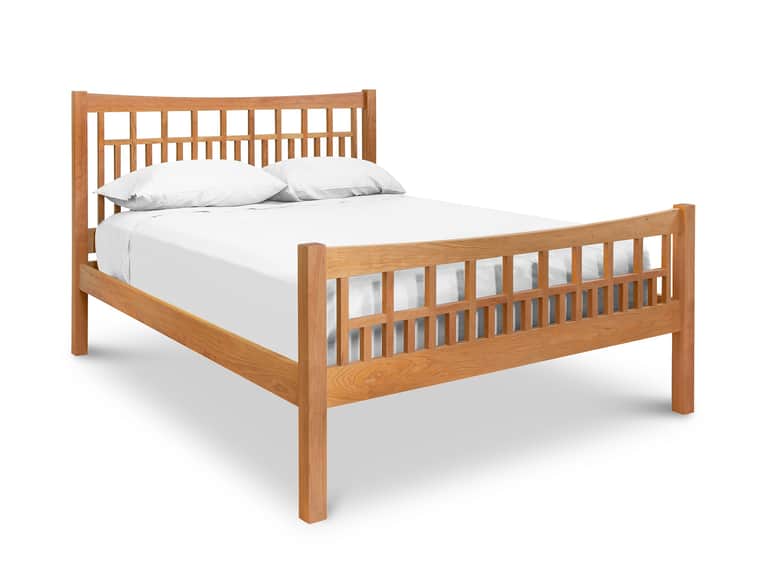
The Skyline Panel Bed, Essex Low Footboard Bed, Kipling Bed, and The Clean Bedroom Taconic Bed each illustrate distinct silhouettes and practical benefits. Panel beds emphasize clean lines and sturdy slat systems, Essex models prioritize a low profile for contemporary spaces, Kipling designs balance form with accessible height, and Taconic beds feature streamlined frames that optimize under-bed storage potential.
Functional benefits extend to support systems and compatibility. Slatted foundations promote airflow, pillow-top mattresses align with ergonomics, and bed rails or footboard heights influence safety and ease of use. Choosing the right bed shape can improve bedside organization, maximize space, and accommodate various sleep setups and decor schemes.
Informed selection within this category considers bedding compatibility, including the interplay with sheets, down comforters, and pillows. By evaluating dimensions, wake-up routines, and room proportions, users align furniture choices with practical use cases and interior design goals, creating a harmonious and restful sleeping environment.
Furniture
 Furniture
 Furniture
 Furniture
 Furniture
 Furniture
 Furniture
 Furniture
 Furniture
 Furniture