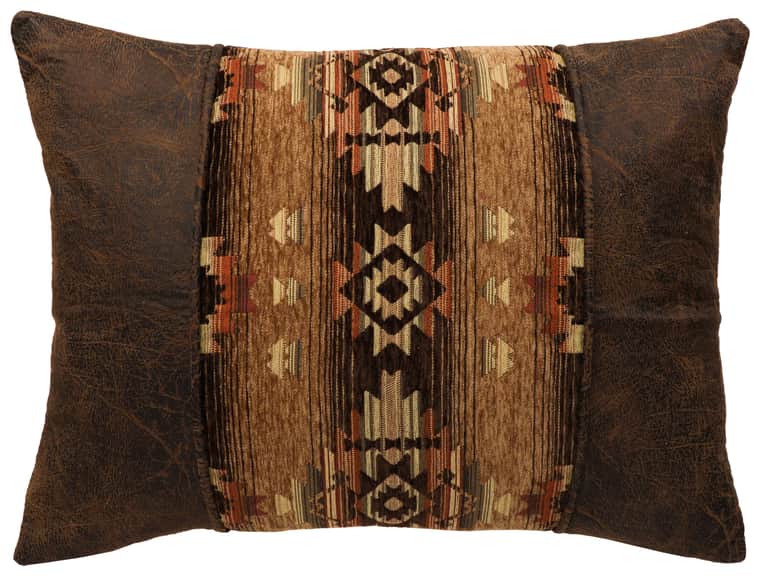
Pillow covers and shams serve both protective and decorative roles in a sleep environment, helping to extend the life of pillows while contributing to the overall aesthetic. Materials vary from cotton to blends, with thread counts and weave patterns affecting softness, breathability, and durability. Understanding these features aids in selecting covers that align with comfort preferences and care routines within bedding ecosystems.
Key characteristics to consider include fabric type, closure style, and care requirements. Cotton percale offers crisp, cool feel and longevity, while sateen delivers a smoother finish. Enzyme or chemical treatments may influence softness, and hidden zippers or envelope closures impact ease of use and pillow alignment on beds or futons.
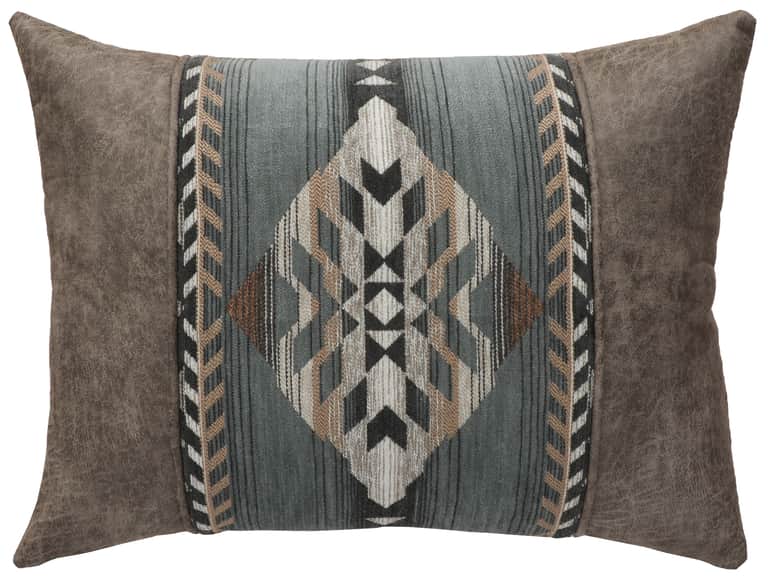
The Hitchin' Post Desert Pillow Sham exemplifies how functional design integrates with rustic-inspired aesthetics. Features often include a tailored edge, image or embroidery details, and compatible sizing with standard or queen pillows. Functional benefits extend to protecting pillow cores from dust and oils while maintaining a tidy, finished look on bedscapes.
When selecting pillow covers and shams, assess colorfastness and tonal compatibility with existing bedding, as well as reversible or dual-sided options for versatility. Careful pairing of textures—such as a woven jacquard sham with a smooth cotton sheet set—can enhance perceived comfort and simplify seasonal updates in a bedroom environment.
Ultimately, pillow covers and shams contribute to sleep quality by preserving pillow integrity and enabling cleanable, breathable coverings. For households using down or feather pillows, selecting appropriate protectors and decorative shams can support moisture management, allergen reduction, and consistent interior styling across bedding layers, including sheets, comforters, and down comforters.
 Bedding