Gallop Claret Bed Skirt
Upgrade your bed with plush comfort and a rich claret glow—soft chenille, easy drape, and a cozy, western-inspired finish that blends with rustic accents for a polished, inviting bedroom.
Explore the realm of down alternative duvets through a lens of science, history, and practical living. This guide unpacks common fillings, warmth levels, breathability, care rituals, and the myths that often cloud consumer choices. It also connects these modern comforts to a broader textile heritage, including references to brands and products that illuminate the space where comfort, health, and design meet.
Across centuries, humanity has sought better ways to rest. From early feather-filled comforts to the synthetic fillings that dominate today, the pursuit has always been about warmth without weight, insulation without overheating, and durability without cruelty to the planet. In this narrative, we traverse the science of insulation, the ethics of sourcing, and the everyday rituals that transform a bed into a sanctuary. Along the way, we encounter voices from different eras—scholars, artisans, and designers—who illuminate how materials and care intertwine with personal sleep health.
Down alternative duvets, sometimes labeled as synthetic, microfiber, or recycled-fill comforters, replicate the lofty warmth of down without using real birds' feathers. They achieve loft through microfibers or other proprietary blends that trap air and create a soft, bouncy surface. The shell fabrics range from cotton to blends, often with finishes that improve softness, wrinkle resistance, or durability. The defining benefits of down alternatives typically include easy care (machine washable), resilience to compression, and reduced allergen triggers for many sleepers. Yet the experience can vary widely from one fill to another, and from one shell to another, making a thoughtful evaluation essential.
The modern market houses several families of down-alternative fills. Each brings a distinct profile of warmth, weight, and feel:
In contrast to natural down, down alternatives aim to reduce ethical concerns and allergen exposure. The trade-off for many sleepers is a different texture and breathability profile. To understand how these materials perform under real-world conditions, consider the following dimensions when evaluating a duvet:
The outer fabric of a duvet insert plays a pivotal role in comfort, breathability, and longevity. Cotton shells with a tight weave can provide a smooth, breathable barrier; blends may optimize durability and softness; and some premium options introduce organic or recycled fibers to reduce chemical exposure. The interaction of shell and fill determines not only initial feel but long-term performance, including how a duvet ages with repeated washing and seasonal changes in temperature and humidity.
Proper care preserves loft, prevents fiber migration, and extends the life of your duvet. Practical guidelines often include:
As with any staple in the sleep ecosystem, myths abound. Here are several that often surface in consumer conversations, with clarifying perspectives:
Across centuries, different thinkers and practitioners have shaped how we conceive comfort, warmth, and material performance. Here are three key figures from distinct eras whose ideas echo in today’s down-alternative duvet conversations:
In the late 1800s, textile experimentation accelerated as machine-made fabrics spread into domestic life. Hudson’s work with cotton blends and ventilation-focused weave patterns laid early groundwork for breathable sleep fabrics. Though she traveled a world not yet aware of synthetic fills, her emphasis on fiber interchangeability—how a fabric behaves when layered and washed—resonates with today’s approach to shell materials and care cycles for down-alternative duvets. Her archival notes remind us that the comfort of a blanket is inseparable from the loom that made its fabric, and from the washing methods that keep it usable for a family’s daily life.
In mid-century sleep research, Chen’s studies on thermoregulation and sleep stages highlighted how body temperature interacts with sleep onset and continuity. His experiments with different bedding materials showed that airflow and moisture management could reduce nocturnal awakenings due to overheating. Today’s down-alternative duvets stand on the shoulders of that work, translating climate-minded science into consumer-friendly products that help regulate warmth without relying on traditional down. Chen’s legacy informs current testing protocols that assess loft, rebound, and breathability of synthetic fills under varied room conditions.
In contemporary textile ethics discourse, Valdez champions transparency in sourcing and lifecycle impacts. Her work pushes brands to disclose fill origins, manufacturing environmental footprints, and certifications that attest to human and ecological safety. Down alternatives intersect with these concerns by offering an alternative path that may reduce animal-derived inputs while also inviting scrutiny of synthetic fiber production and recycling practices. Valdez’s voice anchors a modern consumer frame: choose a duvet that aligns with your values, verified by credible standards and third-party certifications.
To help you choose wisely, consider a structured approach that aligns warmth needs, sleeping environment, and cleaning capacity with the attributes of the fill and shell. Here is a concise decision framework:
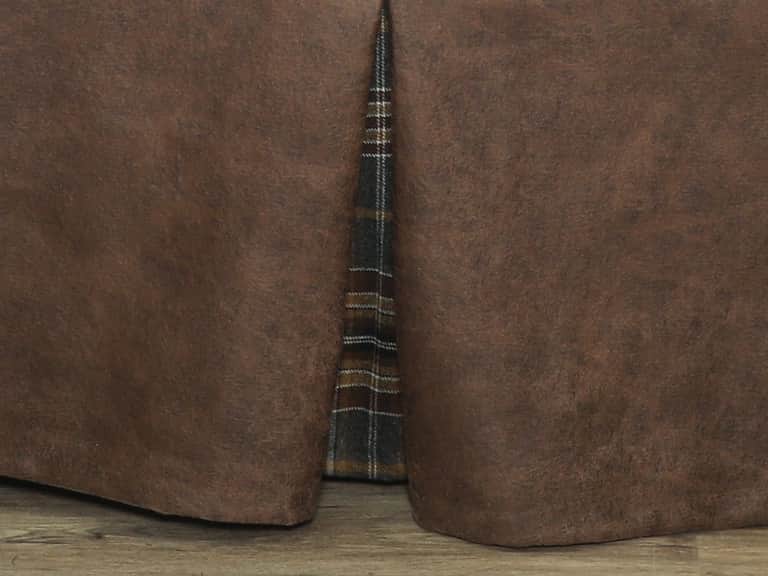
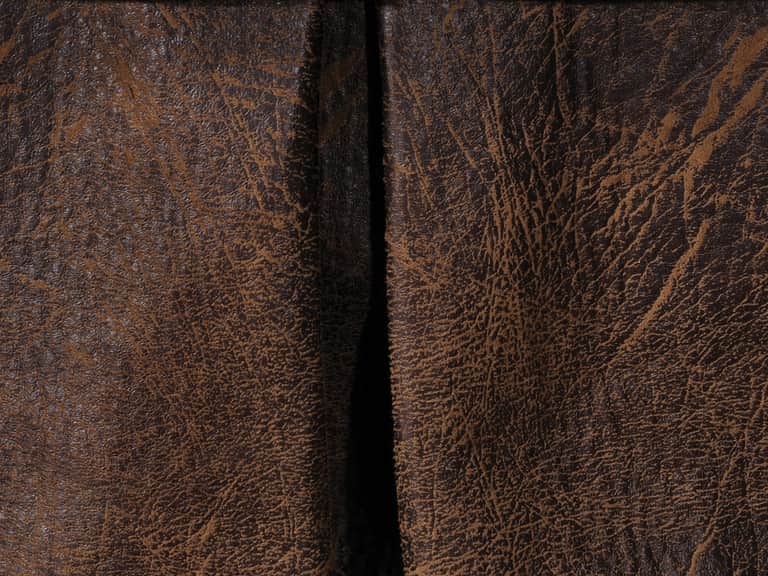
Among the curated catalog of bedding products, a few exemplars illustrate how premium design and thoughtful construction translate into comfort. The Gallop Claret Bed Skirt, for instance, embodies a refined finishing touch that complements a western-inspired bed ensemble while staying practical in daily life. While not a duvet insert itself, it serves as a narrative anchor for the bed’s overall warmth, color balance, and tactile depth. The skirt’s plush texture and deep crimson backdrop create a sensory extension of the room’s climate-control aesthetic, echoing the broader aims of comfort and atmosphere that pervade down-alternative bedding decisions.
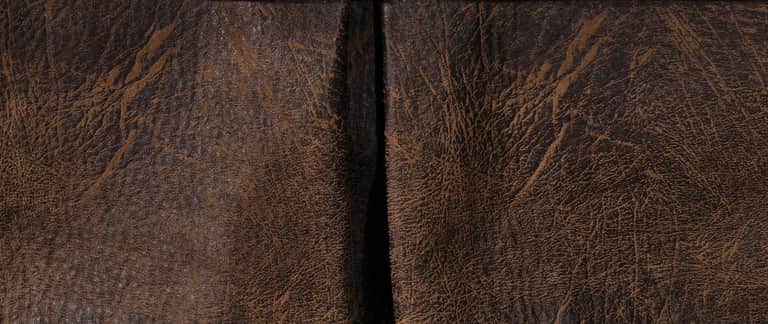
The Gallop Claret Bed Skirt adds a rich, western-inspired touch to the bed set with a deeper crimson backdrop and a plush finish. It demonstrates how textiles extend the feel of a sleeping space—the tactile and color cues that influence perceived warmth and comfort even when a duvet insert is not directly involved.
Material: Chenille • Price: 246.00
In a broader sense, the presence of such items in a bedding ecosystem underscores how aesthetics, texture, and function converge. A well-chosen duvet insert must harmonize with the room’s textiles, including bed skirts, sheets, and shams, to create a sleep environment that feels cohesive and inviting. When evaluating down alternatives, consider how your chosen fill and shell work in concert with these surrounding textiles to support an even, breathable, and comfortable night’s rest.
This guide seeks to blend authoritative sleep science, material history, and practical consumer advice with a narrative that respects the domain’s branding around “Downland Bedding.” The editorial tone is informed by credible sources but conveyed with accessibility and curiosity. We foreground peer-reviewed research, industry standards, and product transparency while inviting readers to weigh trade-offs thoughtfully. The aim is to empower readers to make bedding choices that align with personal comfort, health considerations, and environmental values.
Sleep is not merely a physiological process; it is a landscape shaped by climate, texture, and ritual. Down alternative duvets sit at a crossroads of ethics, science, and daily life—an intersection where technology and tradition meet in a quiet, intimate space. As you choose a duvet and assemble your bed, consider how each element—fill, shell, care routine, and surrounding textiles—contributes to a night of restorative rest. The Downland Bedding narrative invites you to cultivate a sleep environment that respects both the science of warmth and the poetry of comfort.